.png)

Overview
Discover the historical Mangapwani Slave Caves, a significant site that reflects a somber part of Zanzibar's past.
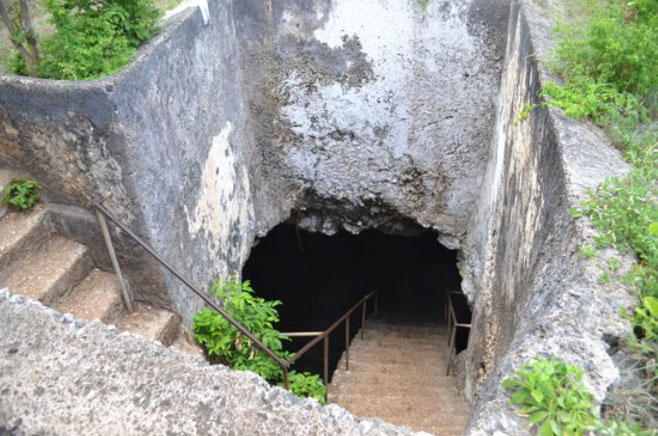
Zanzibar Slave Chambers were built around 1880 from the natural caves and connected to the seaside 2km away. The area is surrounded by varieties of indigenous trees such as Breadfruit, Rambutans, and scent shrubs. It served as an important transit point for captured slaves to be sold to the outside world even after the official abolition of slavery in 1873, especially to the Middle East.
Between 1880 and 1905, these chambers were used as a place of concealment for the human cargo pending their disposal, utilized as a hideout by traders ready for shipment.
Tour Highlights
- Historical Slave Chambers (built 1880)
- Exploration of the natural caves
- View indigenous flora and fauna
- Visit nearby Serena Restaurant
Tour Details
Historical Context
Mangapwani Village
Mangapwani (“Arab Shore”) lies in a district where many Arabs used to live before the revolution of 1964. In the village, you can still see the ruins of a large government "Bungalow" built by the Arabs who originally owned Prison Island.
The Secret Chambers
The chambers were used as a hideout after slavery was abolished. The slaves were kept here in secret before being shipped across the Indian Ocean. The connection to the sea allowed for discreet transfers of the human cargo.
Slave Caves FAQs